
Community
Savannah Guthrie renews plea for information in mother's disappearance
By Sofia Patel
Advertisement · Why this ad?
Jason Reed, with a background in sociology from West Virginia University, has dedicated the last 5 years to uncovering community stories in Pittsburgh. His work has appeared in various local outlets, where he exclusively reports on grassroots initiatives and social justice issues.
More from Jason →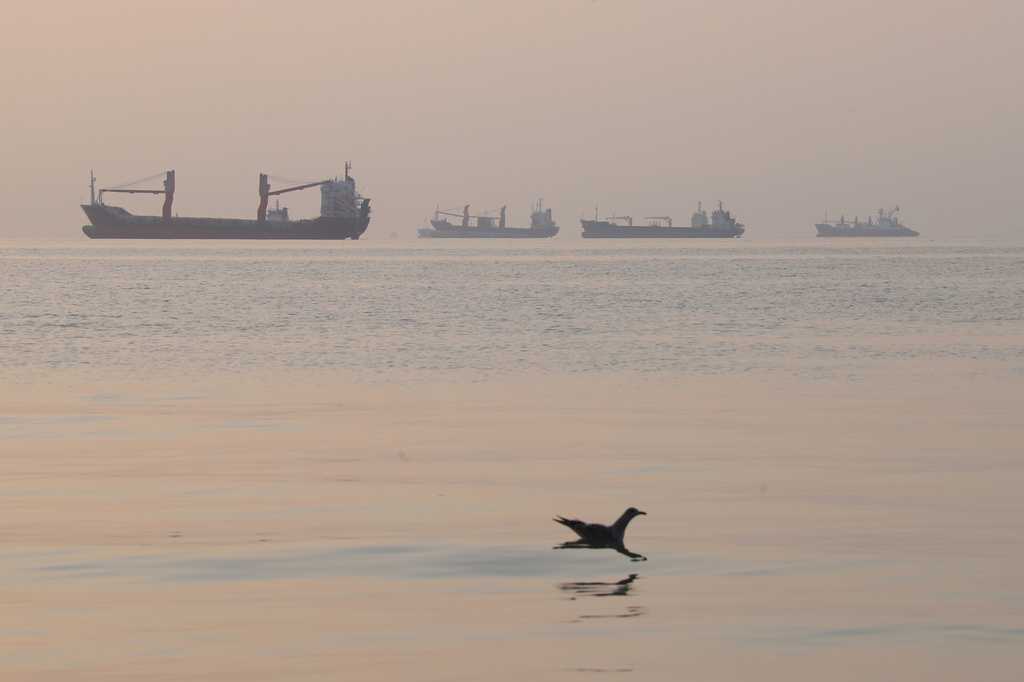
In a world where geopolitical tensions can shift like sand in the desert, a significant moment unfolded recently as Iran announced a two-day plan to reopen the vital Strait of Hormuz and resume nuclear negotiations with the United States if Washington meets its demands. This narrow waterway, which carries a staggering 20% of the world's oil supply, has long been a focal point of international trade and diplomacy. As the sun set over Pittsburgh, casting a warm glow over the city, the implications of this announcement weighed heavily on the minds of many.
On a recent Thursday, Iranian officials expressed their willingness to reopen the Strait of Hormuz, contingent on the United States meeting specific demands. This development comes amidst a backdrop of heightened tensions and ongoing negotiations surrounding Iran's nuclear program. The Strait, a critical chokepoint for global oil shipments, has been a flashpoint for conflict and diplomatic maneuvering.
The Iranian government underscored that the reopening of the Strait is not merely an economic issue but is deeply intertwined with their national security and diplomatic standing. Iran's foreign minister stated, "If the U.S. is willing to engage in constructive dialogue, we are ready to discuss our nuclear program and other regional issues." Such a statement suggests a glimmer of hope for those advocating for peaceful resolutions in a region often marred by discord.
The Strait of Hormuz has been a contentious area for decades, with various nations vying for influence and control. Iran's announcement comes at a time when the international community is closely monitoring its nuclear ambitions. The International Atomic Energy Agency has been actively involved in overseeing Iran's nuclear activities, and any resumption of talks could significantly impact global energy markets and security dynamics.
In recent years, the United States has imposed stringent sanctions on Iran, aiming to curb its nuclear program. These sanctions have had a profound effect on Iran's economy, leading to increased tensions and a desire for diplomatic engagement. The potential reopening of the Strait signifies a willingness from Iran to engage with the U.S. under specific conditions, which could pave the way for a more stable future.
In Pittsburgh, where the energy sector plays a vital role in the local economy, the news of Iran's plan has elicited mixed reactions. Local energy analysts have expressed cautious optimism, recognizing the potential for increased stability in oil prices if diplomatic efforts succeed. John Smith, an energy consultant based in the city, noted, "If the Strait reopens and talks progress, we could see a more predictable energy market, which is beneficial for consumers and businesses alike."
However, there are also concerns about the broader implications of Iran's nuclear program and its regional ambitions. Many residents are wary of the complexities involved in international negotiations. Mary Johnson, a local business owner, shared her perspective: "While I hope for peace, I also worry about the long-term consequences of engaging with a country that has a history of aggression. We must tread carefully."
Community leaders have also weighed in on the situation. The Pittsburgh Chamber of Commerce released a statement urging for continued dialogue and engagement, emphasizing the importance of stability in global markets. "The interconnectedness of our economies means that what happens abroad can directly impact our local businesses and families," the statement read. This sentiment reflects a broader understanding among local leaders that international relations can have a direct effect on the economic health of Pittsburgh.
Moreover, local faith leaders have called for prayer and reflection as the situation unfolds. Pastor James Thompson of the First United Methodist Church remarked, "We must seek peace and understanding, not just for ourselves but for the world. Our faith calls us to be peacemakers in challenging times." This call for peace resonates deeply in a community known for its strong ties and commitment to social justice.
The implications of Iran's announcement extend beyond the geopolitical realm and into the economic fabric of Pittsburgh. The region is home to several major energy companies, and fluctuations in oil prices can significantly impact local jobs and businesses. For instance, companies involved in oil and gas extraction, as well as transportation and logistics, are closely monitoring the situation. If oil prices stabilize, it could lead to more investments in local energy projects, which would bolster the economy and create jobs.
Additionally, the local manufacturing sector, which often relies on stable energy prices, stands to benefit from a more predictable market. Local manufacturers have expressed hope that renewed diplomatic efforts could lead to a decrease in volatility, allowing them to plan for the future with greater confidence.
As residents of Pittsburgh navigate their daily lives, many are engaging in discussions about the implications of Iran's plan. Local universities have seen an uptick in student interest regarding international relations and diplomacy, with students participating in forums and debates about the potential outcomes of the negotiations. Sarah Lopez, a political science major at the University of Pittsburgh, stated, "This is a real-world example of how international politics affects us locally. It's crucial for us to understand these dynamics as future leaders."
Furthermore, local media outlets have begun featuring stories that explore the human side of international relations, highlighting personal narratives of individuals affected by economic conditions tied to global events. This storytelling approach fosters a sense of connection and urgency among residents, reminding them that they are part of a larger global community.
As the two-day window for negotiations approaches, the world watches with bated breath. The Iranian government has made it clear that their willingness to engage hinges on the U.S. meeting their demands, which remain undisclosed. Analysts suggest that this could be a strategic move by Iran to gain leverage in the negotiations.
The outcome of these discussions could have far-reaching consequences, not just for U.S.-Iran relations but also for global energy markets and security. If successful, it may lead to a more stable environment in the Middle East, which has been fraught with conflict for decades. Conversely, a failure to reach an agreement could exacerbate tensions and lead to further instability.
Residents of Pittsburgh, like many across the nation, are hopeful for a positive outcome. The prospect of renewed talks and the reopening of the Strait brings with it the hope of a more secure and stable future. As families gather around their dinner tables, the discussions of international affairs intertwine with their daily lives, reminding us all of the interconnectedness of our world.
In a community built on strong marriages, intact families, and authentic faith, the hope for peace resonates deeply. As we navigate these uncertain times, let us remember the importance of commitment—not just in our personal relationships but in our collective pursuit of understanding and harmony on the global stage. The next few days will be crucial, and the community's collective voice will play an essential role in shaping the narrative as they advocate for peace and stability both locally and globally.
By Sofia Patel

By Jason Reed

By Sofia Patel

By Jason Reed