
Community
Savannah Guthrie renews plea for information in mother's disappearance
By Sofia Patel
Advertisement · Why this ad?
Jason Reed, with a background in sociology from West Virginia University, has dedicated the last 5 years to uncovering community stories in Pittsburgh. His work has appeared in various local outlets, where he exclusively reports on grassroots initiatives and social justice issues.
More from Jason →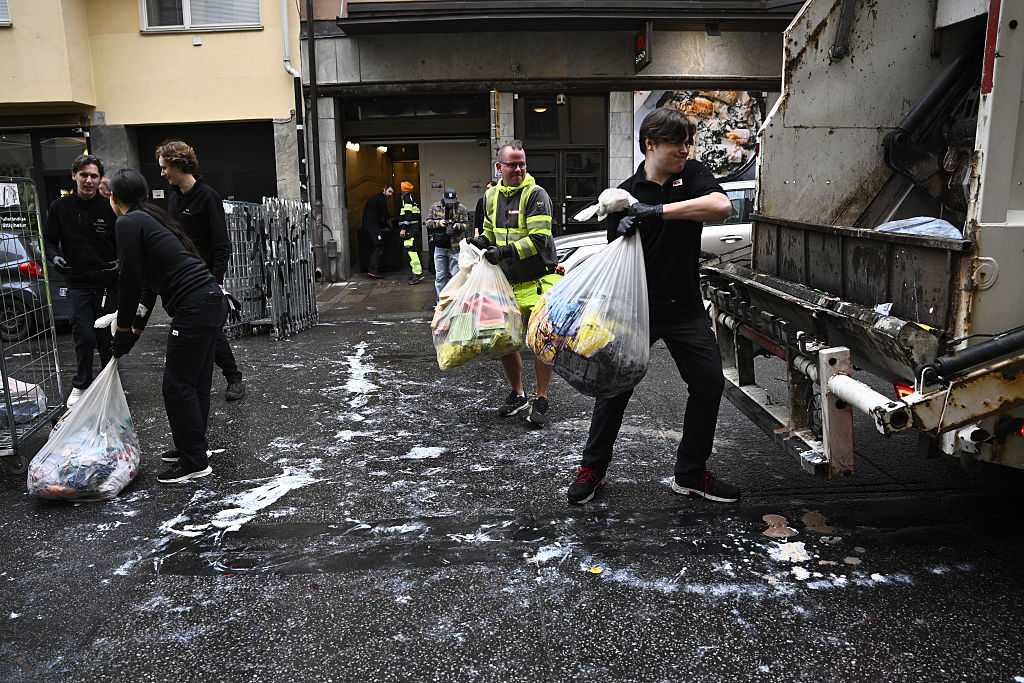
In a scene reminiscent of a dystopian thriller, shoppers at supermarkets across Europe were met with the distressing sight of empty freezer aisles and discarded food. The usual hum of refrigeration was replaced by silence, as cyberattacks wreaked havoc on essential supermarket systems. On a seemingly ordinary Monday, customers in Sweden, Belgium, Luxembourg, and Estonia faced the grim reality of spoiled goods and disrupted daily routines.
On the morning of Monday, October 23, 2023, numerous supermarkets in four European countries experienced significant operational disruptions due to what appeared to be coordinated cyberattacks. The impact was most visible in the frozen food sections, where freezers and refrigerators malfunctioned, leading to widespread spoilage of perishable items. Reports indicate that some supermarkets were forced to dispose of thousands of dollars' worth of food, leaving both businesses and consumers facing financial losses.
In Sweden, the situation escalated rapidly, with major chains reporting that their refrigeration systems had failed, resulting in a cascading effect that impacted their entire supply chain. Belgium and Luxembourg faced similar challenges, as local supermarkets struggled to maintain their inventory and ensure food safety. Estonia, too, found itself grappling with the fallout from these attacks, with many stores forced to close temporarily while they assessed the damage.
The response from the community has been one of shock and concern. Local residents expressed their frustrations on social media, emphasizing the importance of reliable food supply chains in everyday life. “It’s hard to believe that something like this could happen. We rely on these stores for our daily needs,” said Anna Lindgren, a shopper in Stockholm. “It’s not just about the food; it’s about the trust we place in our local businesses.”
The emotional toll of these cyberattacks extends beyond the immediate financial implications. Families who depend on these supermarkets for affordable groceries are now faced with uncertainty. “We’ve had to adjust our budget because of rising prices, and now this adds another layer of stress,” shared Mark Jansen, a father of three in Brussels. “It feels like we are constantly fighting against circumstances beyond our control.”
As the news unfolded, local governments began to address the situation. In Sweden, officials from the National Cyber Security Agency reassured citizens that they were investigating the incidents thoroughly. “We are taking this matter very seriously,” stated Director Erik Olsson. “Our priority is to protect our critical infrastructure and ensure that our citizens have access to safe food.”
Cyberattacks on infrastructure have become a growing concern worldwide, with recent incidents highlighting vulnerabilities in systems that are essential for daily life. The incident in Europe raises questions about the security measures in place to protect food supply chains and how communities can respond to such threats. Experts emphasize the need for stronger cybersecurity protocols to safeguard against future attacks.
In the United States, similar concerns have prompted discussions about the resilience of local food systems. The recent cyberattacks serve as a wake-up call for businesses and consumers alike, reminding them of the interconnectedness of global supply chains and the potential risks they face. “We must learn from these incidents and invest in better technology and training for our employees,” noted cybersecurity expert Dr. Lisa Chen. “It’s not just about preventing attacks; it’s about building a culture of resilience.”
As supermarkets in affected countries work to recover, they are faced with the daunting task of rebuilding trust with their customers. Many are implementing new security measures and protocols to prevent future incidents. In the coming weeks, we can expect to see increased transparency from these businesses as they communicate their efforts to enhance cybersecurity.
Moreover, local governments are likely to increase funding for cybersecurity initiatives aimed at protecting critical infrastructure. The European Union has already begun discussions on enhancing collaborative efforts to bolster cybersecurity across member states. “This is a collaborative effort that requires all of us to be vigilant,” said EU Commissioner for Home Affairs Ylva Johansson. “We must ensure that our citizens feel safe and secure in their daily lives.”
In the wake of these cyberattacks, community support networks are stepping up to help those affected. Local food banks and charities are mobilizing to provide assistance to families facing food insecurity as a result of the spoilage. Organizations like Feeding America and the Red Cross are working tirelessly to ensure that no one goes hungry during this crisis.
Community leaders are urging residents to support local businesses as they recover from this blow. “We need to come together as a community,” said local business owner Sarah Thompson. “By supporting each other, we can emerge stronger from this situation.”
The recent cyberattacks on supermarkets in Europe serve as a stark reminder of the vulnerabilities that exist within our food supply chains. As communities navigate the aftermath, it is crucial that they remain vigilant and proactive in addressing these challenges. Building strong relationships between businesses, local governments, and residents will be key to fostering a resilient future.
As families continue to prioritize their health and well-being, it is essential to advocate for policies that strengthen food security and cybersecurity measures. By investing in our communities and supporting one another, we can ensure a brighter future for all. The American dream of stable, loving households is rooted in the ability to provide for one another, and this crisis underscores the importance of that commitment.
The repercussions of these cyberattacks extend beyond mere statistics and financial losses; they affect real people in profound ways. In Stockholm, a local baker named Lars Johansson shared his worries about the impact on his supply chain. “I get my ingredients from these supermarkets, and if they can’t stock their shelves, it affects my business too,” he explained. “It’s a ripple effect that can hurt the entire community.”
In Brussels, a single mother named Sophie Dupont expressed her concern for her children’s nutrition. “We rely on fresh produce and frozen meals for convenience. This disruption means I have to scramble to find alternatives, which is stressful,” she said. “I just want to provide a stable environment for my kids.”
This incident has also sparked conversations about the importance of cybersecurity education within communities. Schools and local organizations are beginning to organize workshops to teach residents about online safety and the importance of protecting personal information. “It’s about building a culture of awareness,” noted community leader Marco Rizzo. “If we can empower our citizens, we can reduce the risk of future attacks.”
Furthermore, discussions are underway regarding the establishment of local cybersecurity task forces that would include business owners, cybersecurity experts, and community leaders. These task forces would be responsible for developing and implementing strategies to protect against future threats. “Collaboration is key,” said cybersecurity consultant Dr. Emily Tran. “By working together, we can create a safer environment for everyone.”
By Sofia Patel

By Jason Reed

By Eric Thompson

By Eric Thompson