
Community
There's new guidance on menopause symptoms like hot flashes. What women need to know
By Jason Reed
Advertisement · Why this ad?
Sofia Patel is a community-focused journalist with a bachelor’s degree from Chatham University and over 6 years of experience reporting on neighborhoods in and around Pittsburgh. She has previously contributed to City Paper, where her in-depth profiles showcased the diverse voices and stories from various communities.
More from Sofia →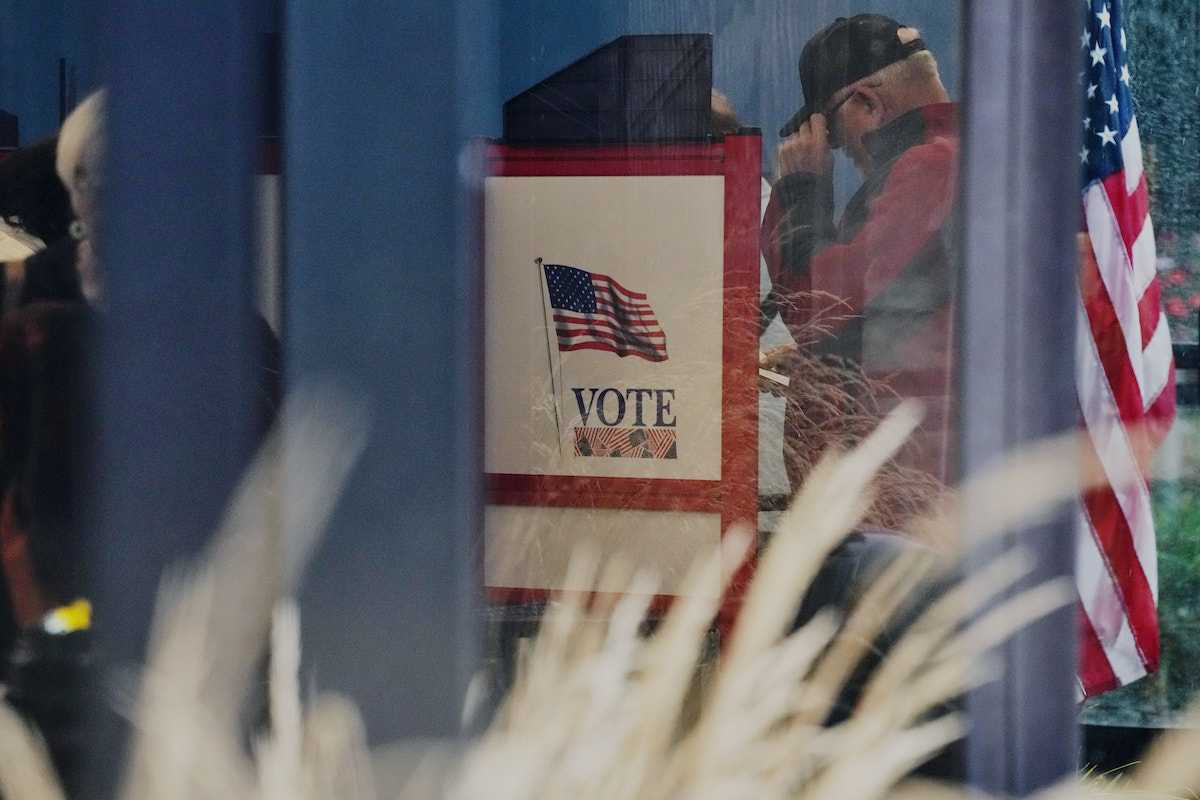
As the sun began to set over Pittsburgh on a crisp autumn evening, the air was thick with anticipation. Families gathered around their dinner tables, discussing the upcoming midterm elections. Among them was the Jones family, who had spent years instilling the importance of civic duty in their children. Little did they know, the political landscape was about to shift dramatically due to a series of last-minute legal developments.
In a year marked by contentious races and heightened voter engagement, the stakes have never been higher. A criminal probe has emerged involving one of the tightest Senate races in the nation, prompting concerns and questions among voters. This investigation centers around allegations that could potentially influence the electoral outcome, raising the specter of uncertainty in an already charged political atmosphere.
Moreover, legal battles are intensifying regarding ballots from suspected non-citizens. These disputes are not merely procedural; they reflect deeper societal issues regarding identity, citizenship, and the very foundation of democracy. As these developments unfold, they are likely to have significant implications for voters across Pittsburgh and beyond.
The response from the community has been a mix of concern and resilience. Local leaders and residents alike are voicing their opinions on the implications of these legal battles. “We need to ensure that every legal vote counts,” said Maria Gonzalez, a community activist who has been working tirelessly to encourage voter participation in underrepresented neighborhoods. “These issues affect us all, and we cannot let them overshadow the importance of our voices.”
In the heart of Pittsburgh, discussions about the elections have become a staple of daily life. Families, friends, and neighbors are gathering to share their thoughts, fears, and hopes as they prepare to head to the polls. The Jones family, for instance, has made it a point to educate their children about the electoral process, emphasizing that every vote matters, especially in times of uncertainty.
The legal implications of these developments extend beyond the immediate elections. If the investigations into the Senate race yield significant findings, they could set precedents for future electoral processes in Pennsylvania and across the nation. The ongoing scrutiny of ballots from suspected non-citizens is also notable; it raises questions about the integrity of the electoral system and the measures in place to protect it.
Legal experts, such as Professor Andrew Miller from the University of Pittsburgh School of Law, have weighed in on these issues. “The outcomes of these investigations could redefine how we approach electoral integrity,” he noted. “It’s crucial that we maintain public confidence in our electoral processes, especially in a divisive political climate.”
For many residents, these legal battles are not just abstract concepts but tangible issues that affect their daily lives. The outcome of the midterm elections will shape policies that impact education, healthcare, and community safety—issues that resonate deeply in the hearts of Pittsburgh families. As the community rallies together, the importance of staying informed and engaged has never been clearer.
Local organizations, such as the Pittsburgh Chamber of Commerce, are working to ensure that residents understand their rights and responsibilities as voters. They are hosting informational sessions that aim to demystify the voting process and clarify the legal landscape surrounding the elections.
Furthermore, community forums are being organized to discuss these legal challenges in detail. For instance, the upcoming town hall meeting at the East Liberty Presbyterian Church will feature a panel of local leaders and legal experts who will address questions from the public. This initiative aims to empower residents with knowledge about their voting rights and the implications of the ongoing legal disputes.
In addition to activists like Maria Gonzalez, local residents are stepping up to share their experiences and perspectives. James Lee, a retired school teacher, expressed his concern over the potential disenfranchisement of voters due to the legal battles. “I’ve seen too many elections where people feel their votes don’t matter. We need to work harder to ensure that everyone feels they have a voice,” he said, emphasizing the importance of community engagement.
Moreover, younger voters are becoming increasingly involved in the discussions. College student Rachel Kim, who attends the University of Pittsburgh, noted, “It’s critical for my generation to understand the stakes of these elections. We can’t afford to be apathetic. The future of our education and climate policy depends on our participation.” This sentiment is echoed across campus, where student-led organizations are mobilizing efforts to increase voter registration and turnout.
As the legal battles unfold, local candidates are feeling the pressure. Many are adjusting their campaign strategies in response to the shifting political landscape. For instance, Sarah Thompson, a candidate running for the State Senate, has ramped up her outreach efforts, emphasizing transparency and accountability in her campaign. “I believe that voters deserve to know where their candidates stand on these critical issues,” she stated. “This election is about more than just one race; it’s about restoring faith in our democracy.”
Local political analysts are closely monitoring how these developments might influence voter turnout. “In times of uncertainty, we often see heightened engagement,” explained Dr. Lisa Carter, a political scientist at Duquesne University. “Voters are more likely to turn out when they feel that their rights are being threatened.” This sentiment is echoed in the conversations happening around Pittsburgh, where residents are increasingly motivated to make their voices heard.
As we look ahead to the midterm elections, the atmosphere in Pittsburgh is charged with both anxiety and hope. The community is coming together to ensure that every voice is heard and every vote is counted. “We must stand united,” said local pastor John Thompson, who has been encouraging his congregation to participate in the electoral process. “Our faith calls us to be active citizens, and we cannot shy away from our responsibility.”
With the elections just around the corner, the impact of these legal developments will likely resonate long after the ballots are cast. Pittsburgh residents are reminded that they are not just voters; they are stewards of democracy, tasked with shaping the future of their community through their choices at the polls.
For those looking to stay informed, several resources are available to help navigate the complexities of the upcoming elections. The Pennsylvania Department of State provides essential information about registration, polling locations, and voting rights. Additionally, local advocacy groups are offering workshops and materials to ensure that voters feel prepared.
As the community braces for the elections, the resilience and commitment of Pittsburgh families shine through. In a world where uncertainty looms, the importance of strong marriages, intact families, and authentic faith becomes even more critical. The values that bind families together also strengthen the community, encouraging active participation in shaping a brighter future for all.
By Jason Reed
By Sofia Patel

By Jason Reed

By Jason Reed